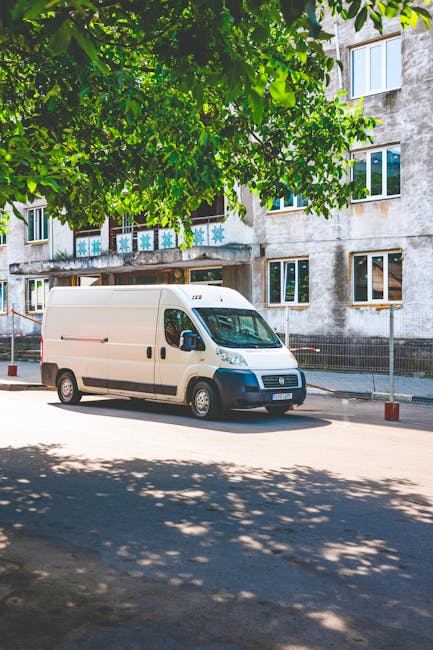
Man With Van in St Giles

Man With Van St Giles provides a practical removal service for homes, flats and businesses in St Giles, with the emphasis on moving items safely, loading them efficiently and getting them where they need to go in the right order. The service suits customers who need a smaller-scale move, a furniture transfer or straightforward transport with help at both ends. It is centred on a simple idea: give the move the right vehicle, the right handling and the right amount of labour for the job.
Our work can cover single bulky items, partial contents, room-by-room moves and short-notice transport where a full removals operation is not necessary. We also help with careful loading, securing items in transit and sensible planning for access, stairs and parking. If you are comparing moving options, man and van removals can be a good fit when you want hands-on support without booking a larger crew than the job calls for.
For customers who want a clearer idea of options before they book, the service is usually easiest to understand in terms of item type, volume, access and distance. That might mean a few large pieces moved between local addresses, a van and driver for a one-off collection, or a more organised removal that includes loading support. If you are ready to arrange the next step, you can request a quotation in plain text or by using the contact page later on this site.
Flexible moving help for everyday jobs
Much of the value in a man with van service lies in flexibility. A smaller team can be more suitable for flats, shared houses, tight stairwells and properties where a full-size removals vehicle would be awkward. It also gives room for jobs that do not need a complete household move, such as one or two pieces of furniture, boxed personal belongings, or a collection from a shop, storage unit or relative’s home. The service can be shaped around what actually needs to be moved rather than forcing the move into a fixed package.
Because no two jobs are quite the same, we keep the approach straightforward and practical. If the items are fragile, awkwardly shaped or heavy, that is where planning matters most. For customers who want to compare a few related options, removal services is a useful starting point, while removals gives a broader view of moving support. Please note the amount of help needed, any access restrictions and whether you want loading, unloading or transport only when asking for a quote.
Useful jobs for this service often include sofa moves, bed and wardrobe transport, student moves, office furniture transfers and collection runs for items that need a direct journey rather than a storage-heavy solution. It is also a sensible choice when timing matters and the task is simpler than a full house removal. Clear item details help the move run smoothly, especially where disassembly, wrapping or careful stacking may be needed.
Planning the load and protecting items

A well-planned van move starts with the load itself. Large furniture needs room to stand, lie flat or be protected with blankets and straps, while boxes need stacking that avoids crushing softer items beneath them. We work with the practical shape of the load so that different pieces travel securely together. That means thinking about weight distribution, likely movement in transit and the order in which items should go into the van.
Protection is often just as important as transport. Surfaces can be wrapped, corners can be cushioned and loose parts can be separated before loading. If a job includes mixed items, it is sensible to group them by fragility and size rather than packing everything together in a hurry. For a fuller packing option, packing and unpacking services may also be relevant where the customer wants help preparing items before the move or settling them afterwards.
When you ask for a quotation, try to describe the main pieces, the approximate number of boxes and any items that need special handling. That is usually enough to shape a sensible estimate without turning the enquiry into a long checklist. Where access is difficult, mention steps, lifts, narrow corridors or restricted parking so the loading plan can be matched to the conditions.
House moves and smaller domestic removals
Domestic moving is one of the most common uses for a man with van arrangement. It may involve a room move, a studio flat, a student relocation or a partial household move where only selected furniture and boxes need to go. The appeal is often in keeping the process straightforward: there is still enough support to make the task manageable, but not so much structure that you pay for more than you need.
For fuller home relocations, it can help to compare the broader home-moving pages on the site. home moves suits people looking at the overall process, while house removals and house movers are helpful if the work extends beyond simple van transport. We can assist with the practical side of domestic loading and unloading, especially where furniture and boxes need to be moved in a controlled sequence.
Typical domestic jobs may include taking items from upstairs rooms, moving furniture between rented properties or transporting belongings after a sale, let or refurbishment. It is often a good match for customers who want a careful, compact move without unnecessary complexity. If you are ready to talk through what needs moving, make a note of the main items and the addresses involved, then ask for a quotation.
Office and commercial transport support
Not every moving job is domestic. A man with van service can also help with office furniture, small commercial loads, archive boxes and equipment that needs to be moved with minimum disruption. This kind of work benefits from a vehicle that can handle mixed items and a straightforward team that can load and unload efficiently. It is often suitable for businesses relocating a few desks, chairs, shelving units or packed materials.
If your move is workplace-based, the more dedicated service pages can help you judge the scale of support required. commercial moves covers broader business relocation needs, while office removals and office relocation services are useful when you need a more structured office move. For smaller business collections, we can provide the practical van transport and handling that keeps items moving without making the job more complex than necessary.
Commercial customers often want clarity around access, timing and the sequence of loading. That is especially true where lifts, reception desks, shared entrances or building rules affect how the move can be carried out. If you have any special requirements for fragile equipment, confidential paperwork or heavy desks, mention those early so the work can be planned properly and quoted on the right basis.
About St Giles

St Giles is a central London district long associated with the area around St Giles Circus, where roads from the West End, Holborn and Soho meet. Historically it developed around the parish church of St Giles in the Fields, a building whose origins go back to the twelfth century, although the present church reflects later rebuilding after fire and change. The district sits within the London Borough of Camden, close to major cultural and commercial centres, and its streets reflect centuries of alteration from medieval settlement to dense urban development. One of the best-known landmarks is Centre Point, the modernist tower completed in the 1960s and now a prominent feature on the skyline near Tottenham Court Road. The area also includes parts of the historic route of Oxford Street to the north and the more varied streets that run south towards Covent Garden and Holborn. Much of St Giles has been shaped by transport, retail and institutional uses, including the busy road junctions that continue to make it a highly connected part of central London. Its architecture mixes surviving older structures with post-war commercial buildings, newer developments and a street pattern that reveals the city’s layered history. The area has long carried strong associations with theatres, pubs, shops and public life, and it remains part of a dense central landscape where historic identity and modern city use sit side by side.
What a good quotation should cover
A useful quotation is usually based on a few practical facts rather than a long list of assumptions. The number and size of items matter, but so do the distances involved, the floors at each property and whether the van can park close to the entrance. Stairs, lifts and access restrictions can affect the time needed to load and unload, which is why accurate details are more helpful than a vague description of the move.
For many customers, the easiest way to prepare is to think in terms of what is moving, where it is going and what makes the access difficult. That might include furniture that needs to be taken apart, boxes that need careful stacking or items that must not be tipped or compressed. If you are comparing prices and service levels, pricing and quotes is the best page to review before sending your details through, because it helps frame the information that matters most.
You do not usually need to over-explain the job. A short description with the main items, the collection and delivery points, and any handling concerns is enough to start. If you can, mention whether the move involves a single trip or several stops, and whether there are items waiting in storage or already disassembled. That keeps the quotation process efficient without turning it into admin for the sake of it.
Handling furniture, bulky items and mixed loads

Furniture is often the hardest part of a van move, especially when pieces are heavy, awkward or delicate. Sofas, tables, wardrobes, mattresses and appliances each bring different handling needs, and the right approach is to treat them individually rather than as generic cargo. Some items travel best upright, others need to be laid flat, and some need to be kept apart so that surfaces do not mark one another. The aim is always to move them securely and sensibly.
When a load includes mixed household goods, the order in which items are handled matters. Hard furniture can be used to support stable packing, while softer boxes and bags should be placed where they will not be crushed. We can also help move items that are not part of a complete house removal, such as a booked collection of furniture or a transfer from a seller, storage unit or auction purchase. If the job is mainly about lifting and transport, furniture pick-up may be the nearest fit on the site.
Customers sometimes overlook the practical details around shape and access until the day of the move. It helps to measure larger items, check whether they fit through doors or corridors and make sure there is a sensible route to the van. If disassembly is needed, plan it early rather than leaving it until the vehicle arrives, as that can slow the whole job down and create avoidable pressure.
Choosing the right vehicle and moving format
One advantage of this type of service is that the moving format can be kept simple. A van-based move is often suitable where the load is modest, where access is tighter than average or where the journey is short enough that a larger removal truck would be unnecessary. The vehicle choice should reflect the amount of space needed, the mix of items and how many trips would be sensible for the job.
There are occasions when people want a van only, and others when they need extra help with lifting, loading or unloading. That is why the site includes pages for related moving formats such as moving van, moving truck and removal van. Those pages can help customers compare the type of vehicle or setup that matches the scale of the move, especially if the load is either compact or unusually bulky.
Our role is to keep the moving method aligned with the job rather than forcing the job to fit the vehicle. If a load is light but awkward, the handling needs may be more important than total volume. If the items are large but few, space and securing become the key concerns. In either case, a clear description of the work usually leads to a better plan than a vague estimate based only on guesswork.
Practical preparation before the van arrives
Good preparation makes a difference, but it need not be complicated. In most cases, the best approach is to have the main items identified, the access route clear and anything fragile or loose safely contained. If you are moving from a house, flat or office, it also helps to keep doors open where appropriate, protect flooring if needed and know which pieces are going first. These are simple steps, but they save time and reduce confusion.
It is worth separating this kind of practical preparation from the quotation itself. The quotation should focus on the load, the addresses and the handling needs; preparation is about making the job easier on the day. If you want broader support with packing or organising items before the move, removal company gives a wider overview of the type of help a customer might compare before booking. Keep the information concise, but include anything that would change the way the job is handled.
A short checklist can help: group items by room or use, keep passports and valuables with you, make sure the main route is free, and set aside anything that must not be moved. If you are arranging both collection and delivery, confirm the order of stops and the correct contact details for each location. That keeps the move straightforward and helps avoid wasted time.
Enquiries, coordination and next steps

Once you know what needs moving, the next step is usually to decide how much support you want at each stage. Some customers only need transport, while others want help carrying items in and out, placing them in the right room or working around awkward access. A simple enquiry should explain the main load, the collection point, the delivery point and any timing concerns. That is normally enough for a sensible discussion of the work.
If you are still comparing service types, it can help to look at broader van-and-removal pages such as man and van removals, man with van removal and man with a van. These pages help frame the level of support available, while the contact step is for confirming the actual job. For the final stage, please use the site’s contact page and ask for a quotation with the details that matter most to your move.
When you are ready, keep your message short, accurate and practical. Include the items, the addresses, the floor levels, any parking issues and whether you need loading, unloading or both. If you prefer, you can simply say that you want a quote for a man with van service in St Giles and list the essentials from there. That is enough to start the conversation and move the booking process forward.